Video Game Text Effect Graphic Style: A Practical Guide for Designers and Creators
When it comes to creating visually engaging digital content, the Video Game Text Effect Graphic Style has become a go-to choice for designers across industries. This distinctive approach to typography mimics the dynamic, high-impact visuals commonly found in video games, blending boldness, clarity, and a sense of motion. Whether used in promotional materials, UI/UX design, or cinematic visuals, this style helps convey energy and modernity in a way that resonates with audiences familiar with gaming aesthetics.
Understanding the Video Game Text Effect Graphic Style
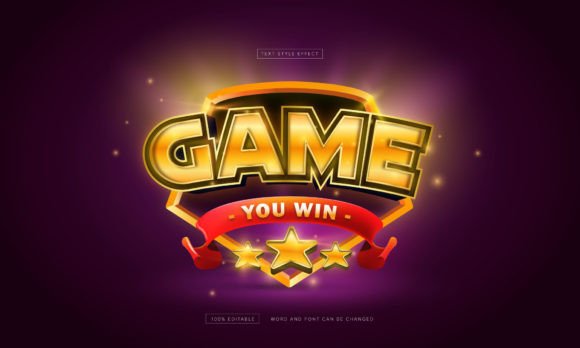
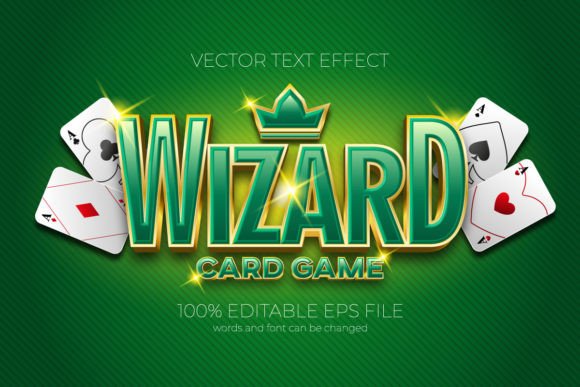
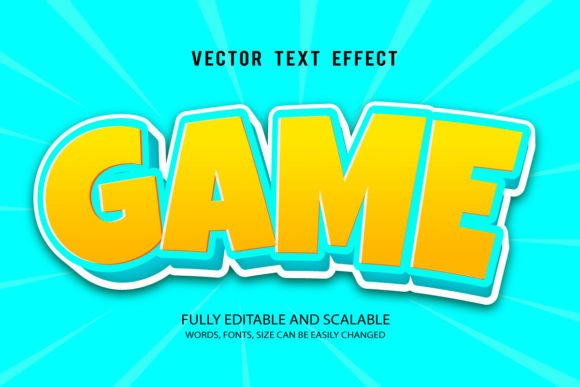
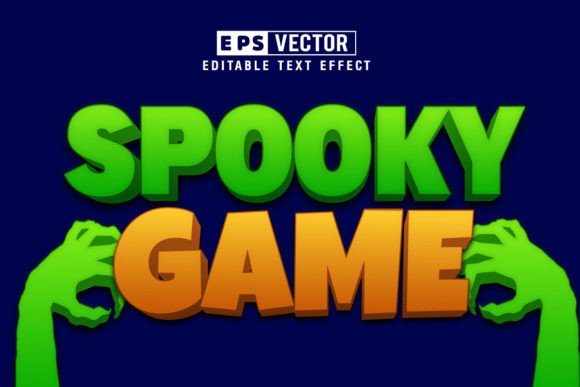
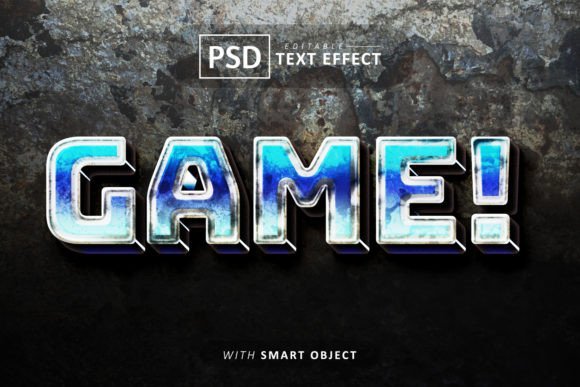
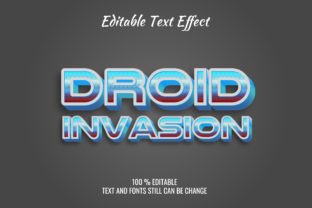
The Video Game Text Effect Graphic Style is rooted in the visual language of video games, particularly from genres like action, sci-fi, and fantasy. It typically features sharp edges, glowing highlights, metallic textures, and layered depth that give text a dimensional, almost tangible quality. These effects are often created using 3D rendering techniques, light effects, and detailed textures that mimic in-game UI elements or title sequences.
Designers seeking to implement this style can leverage tools like Adobe Photoshop with pre-built templates that allow for easy customization. These templates often include smart objects that let users change text content without requiring advanced design skills. With high-resolution outputs (300 DPI), well-organized layers, and compatibility with a wide range of fonts and shapes, these templates offer a streamlined path to professional-grade results.
Why This Style Appeals to Designers and Marketers
There are several reasons why the Video Game Text Effect Graphic Style continues to gain traction beyond the gaming industry. For one, it aligns well with the visual expectations of younger audiences who are accustomed to high-quality digital experiences. The style’s inherent versatility makes it suitable for a wide array of applications:
- Marketing materials for tech, entertainment, and esports brands
- Flyers and posters for events with a futuristic or action-oriented theme
- Cinematic titles and video introductions
- UI/UX elements in mobile or web applications with a gaming flair
Additionally, the ability to apply 3D text effects without advanced technical knowledge makes this style accessible to a broader audience of creators, including those without formal design training. With a few clicks, users can transform simple text into striking visuals that stand out in crowded digital environments.
Benefits and Considerations of Using 3D Video Game Text Effects
One of the standout benefits of using the Video Game Text Effect Graphic Style is its ability to convey depth and intensity quickly. Here are some key advantages:
- High visual impact – The 3D effect and layered textures immediately draw attention.
- Customizability – Many templates allow for easy editing of colors, fonts, and textures.
- Professional quality – High-resolution outputs ensure crisp, clean visuals across media.
- Time-saving – Smart object integration reduces the need for manual design work.
However, like any design approach, there are tradeoffs to consider. Overuse of this style can lead to visual fatigue or a lack of differentiation in branding. Additionally, while the templates are user-friendly, they may not always integrate seamlessly with every design system or platform. Designers should also be mindful of file sizes, especially when using detailed textures and effects in web or mobile applications where performance matters.
When This Style Makes Sense for Your Project
The Video Game Text Effect Graphic Style shines in contexts where visual energy and a modern aesthetic are key. It’s particularly effective for:
- Gaming-related content – From promotional banners to in-game UI elements.
- Event branding – Especially for esports, tech conventions, and product launches.
- Entertainment media – Trailers, posters, and teasers for movies or shows with a futuristic tone.
- Product packaging and merchandise – Where bold, eye-catching text is needed.
For these use cases, the style not only aligns with audience expectations but also enhances the perceived value of the content or product. When used appropriately, it can elevate a design from ordinary to memorable.
When Alternatives May Be More Appropriate
Despite its strengths, the Video Game Text Effect Graphic Style may not be the best fit for every project. In more formal or minimalist design contexts, such as corporate branding, academic materials, or healthcare-related visuals, this style can feel out of place or overly aggressive.
Alternatives such as clean sans-serif typography, flat design, or retro-inspired styles may offer a better balance of professionalism and readability in these cases. Additionally, if a project requires cross-platform consistency (e.g., across mobile, web, and print), simpler text effects may perform better in terms of adaptability and performance.
Making the Right Choice for Your Design Needs
Deciding whether to use the Video Game Text Effect Graphic Style depends on several factors, including the target audience, the tone of the message, and the technical requirements of the medium. Here are some practical insights to help guide your decision:
- Define your audience – Is your audience familiar with or drawn to gaming aesthetics?
- Match the tone – Does the bold, energetic style align with your brand or message?
- Consider usability – Will the design need to scale across different platforms or devices?
- Evaluate technical constraints – Do you have the tools or templates to implement the style efficiently?
If the answers lean toward a need for high visual impact and a dynamic aesthetic, then the Video Game Text Effect Graphic Style could be a strong fit. However, if subtlety, clarity, or minimalism is more appropriate, it may be worth exploring simpler or more traditional typographic approaches.
Conclusion
The Video Game Text Effect Graphic Style offers a compelling blend of visual intensity and accessibility that makes it an attractive option for a wide range of design projects. Its ability to transform simple text into something cinematic and dimensional without requiring advanced skills is a major draw. However, like any design choice, it should be used thoughtfully and in alignment with the broader goals of the project.
For those looking to create bold, attention-grabbing visuals—especially in entertainment, gaming, or tech-related fields—this style can be a powerful tool. But for more restrained or formal contexts, alternatives may offer better long-term results. Ultimately, the decision should be guided by both aesthetic appeal and practical functionality, ensuring that the final design serves its intended purpose effectively.