Video Game Emblem. Badge with Skull, VR: Symbolism, Design, and Digital Integration
The Video Game Emblem. Badge with Skull, VR is more than a visual motif—it’s a convergence of culture, identity, and immersive experience. As virtual reality reshapes how we interact with digital worlds, the symbolism embedded in these emblems becomes increasingly significant. Whether used in branding, in-game achievements, or community identifiers, the skull motif layered with VR elements communicates both danger and innovation.
Understanding the Symbolism Behind the Badge
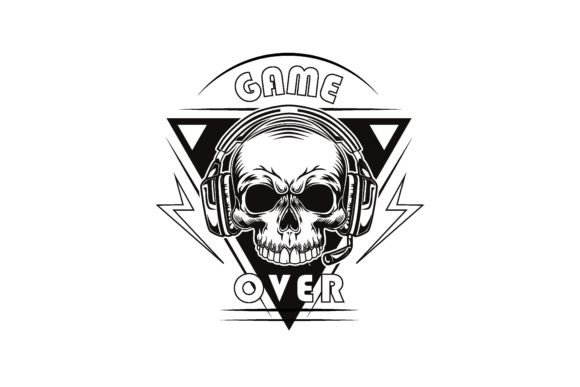
At its core, the skull has long represented mortality, rebellion, and the unknown. In video game culture, it often signifies challenge, danger, or elite status. When combined with VR headsets and other digital elements in a Video Game Emblem. Badge with Skull, VR, the design evolves to represent the frontier of gaming—where immersion meets risk, and innovation meets identity.
This hybrid symbolism is particularly effective in genres like survival horror, cyberpunk, or competitive esports, where players seek both mastery and a sense of belonging. The badge becomes a visual shorthand for a community’s ethos: bold, tech-savvy, and unafraid of the unknown.
Design Elements That Define the VR-Infused Skull Badge
A well-crafted Video Game Emblem. Badge with Skull, VR integrates several key design components:
- Skull motif: Often stylized, sometimes abstracted into geometric forms or fused with circuitry.
- VR headset integration: Represented through clean lines or semi-transparent overlays, suggesting immersion and digital overlay.
- Color palette: Typically dark with neon accents—black, deep red, electric blue, or violet—to evoke both danger and futuristic tech.
- Vector illustration: Ensures scalability and clarity, especially important for use in digital interfaces, merchandise, and promotional materials.
These design choices are not arbitrary. Each contributes to the badge’s readability across platforms and its resonance with target audiences. For instance, a glowing VR headset integrated into the skull’s eye socket can symbolize perception beyond the physical world, reinforcing the immersive nature of VR experiences.
Use Cases Across the Gaming Ecosystem
The versatility of the Video Game Emblem. Badge with Skull, VR makes it adaptable across multiple facets of the gaming industry:
- Game branding: As a logo or title emblem, it signals a blend of danger and digital innovation.
- In-game achievements: Unlocking a skull-and-VR badge can signify mastery of a difficult level or mode.
- Community and esports identity: Clans, teams, or streaming channels use such badges to establish a bold, recognizable brand.
- Promotional material: Used in trailers, posters, and merchandise to create visual continuity and intrigue.
- VR interface design: Integrated into HUDs (Heads-Up Displays) or menu systems to maintain thematic consistency.
For example, a game like CyberSkull VR might use this emblem as its main logo, reinforcing the theme of navigating a dangerous digital world. Meanwhile, a streaming platform could allow users to earn a custom badge after reaching a milestone, such as 100 hours of live VR gameplay streamed.
Practical Considerations for Developers and Designers
Creating a compelling Video Game Emblem. Badge with Skull, VR requires more than aesthetic appeal. Designers must consider:
- Scalability: Ensuring the emblem remains legible at small sizes, especially on mobile or wearable interfaces.
- Accessibility: High contrast and clear outlines help users with visual impairments recognize the emblem quickly.
- Brand alignment: The badge should reflect the tone and identity of the game or platform it represents.
- Vector illustration best practices: Using clean paths and minimal gradients ensures compatibility with various rendering engines and export formats.
Additionally, designers should test how the emblem appears under different lighting conditions and within various UI contexts. A badge that looks striking on a black background might lose its impact on a lighter or more dynamic interface.
Real-World Examples and Cultural Impact
Several notable titles and platforms have embraced the Video Game Emblem. Badge with Skull, VR as a core design element:
- SkullVR: Arena uses a stylized skull fused with a VR visor as its main logo, signaling a high-stakes, competitive virtual battlefield.
- DeadNet VR incorporates a glowing, cybernetic skull badge to represent in-game achievements, reinforcing the game’s dark, post-apocalyptic aesthetic.
- StreamGuild, a live streaming platform, awards a custom skull-and-VR badge to creators who reach 10,000 concurrent viewers in a VR-based broadcast.
These examples highlight how the emblem functions as both a design asset and a cultural signal. It resonates with players who identify with the themes of risk, innovation, and immersion—core values in the evolving gaming landscape.
Future Trends in Emblem Design and VR Integration
As VR technology continues to evolve, so too will the visual language surrounding it. Future iterations of the Video Game Emblem. Badge with Skull, VR may incorporate:
- Dynamic emblems: Badges that change appearance based on user behavior or game progress.
- 3D rendering: Allowing the emblem to rotate or animate within the UI, enhancing interactivity.
- AI-generated variations: Personalized badge designs based on player preferences or performance.
- Haptic feedback integration: Emblems that trigger subtle tactile responses in VR gloves or controllers.
These innovations will further blur the line between visual identity and interactive experience, making the Video Game Emblem. Badge with Skull, VR not just a symbol, but a living part of the game world.
Conclusion Through Application
The Video Game Emblem. Badge with Skull, VR serves as a powerful emblematic tool in modern game design. Its ability to communicate complex themes through visual shorthand makes it invaluable across branding, user interface design, and community building. As virtual reality continues to expand, the evolution of such emblems will play a crucial role in shaping how players engage with digital worlds—both visually and emotionally.