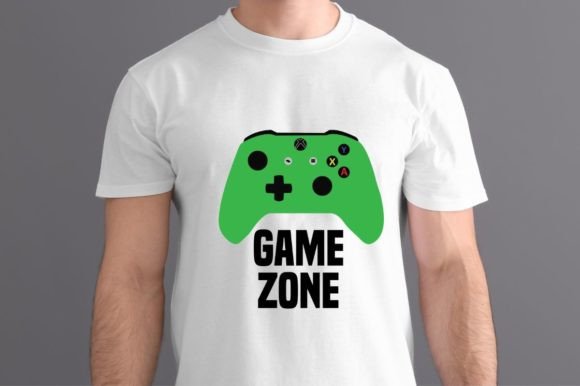
Game Zone: Integrating Design Into Real-World Workflows
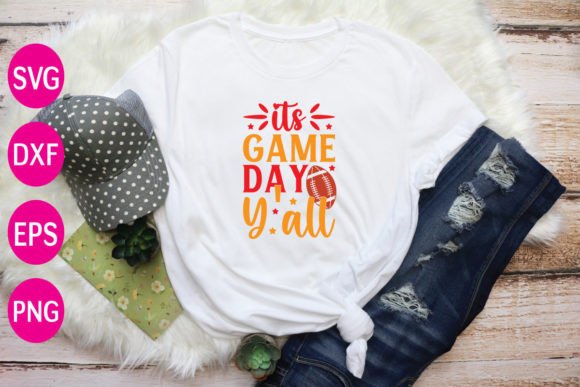
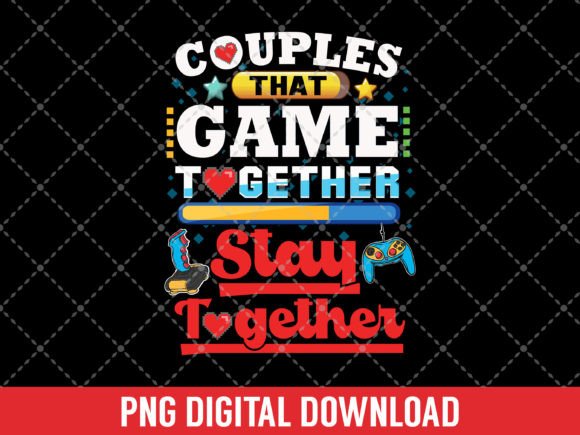
Game Zone is more than just a design concept—it's a flexible visual asset that fits into a variety of creative and professional processes. Whether you're developing branded merchandise, crafting digital content, or organizing a product launch, Game Zone provides a foundation that adapts to your needs. Its availability in multiple file formats—PNG, SVG, EPS, and with high-resolution mockups—makes it a practical choice for creators, marketers, and business owners who need consistent, editable visuals.
Unlike static graphics that require constant rework, Game Zone is built for efficiency. It allows users to integrate design elements seamlessly into workflows without the need for advanced editing skills. This adaptability supports a wide range of applications, from apparel and accessories to digital marketing materials, enabling both individuals and teams to maintain visual consistency across platforms and products.
Using Game Zone Across Project Stages
Game Zone functions as a versatile tool that can be used before, during, and after key project phases. In the planning stage, it serves as a visual placeholder or branding sample, helping stakeholders visualize the end product. During execution, it becomes a working asset that can be layered, resized, or recolored to fit specific design requirements. After a project's completion, Game Zone can be repurposed for related tasks such as promotional materials, packaging, or even internal documentation.
For example, an apparel brand launching a new line can use Game Zone early in the process to test print layouts on different garments. As the collection moves into production, the same design can be applied to packaging labels, hang tags, and marketing banners. Later, it can be integrated into seasonal sales materials or customer loyalty programs, ensuring continuity across touchpoints.
Integration with Tools and Platforms
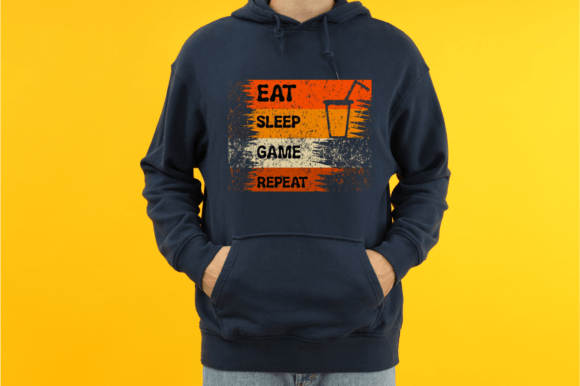
One of Game Zone’s strongest features is its compatibility with design software and e-commerce platforms. The inclusion of SVG and EPS files means it can be edited in vector-based tools like Adobe Illustrator, CorelDRAW, or free alternatives such as Inkscape and Gravit Designer. PNG files at 300 DPI ensure high-quality printing for physical products, while mockups simplify the process of showcasing designs on items like t-shirts, hoodies, mugs, and wall art.
For digital marketers and entrepreneurs, Game Zone integrates smoothly into platforms like Shopify, Etsy, and Printful. These platforms support direct upload of design files, allowing for automated product creation and on-demand printing. This reduces the need for inventory management while enabling customization at scale. Additionally, the design can be embedded into Canva, Photoshop, or Figma for use in social media graphics, landing pages, or app interfaces.
Practical Implementation and Workflow Tips
Integrating Game Zone into your workflow starts with understanding how it aligns with your goals. Here are a few practical tips to maximize its utility:
- Start with a clear use case: Determine whether Game Zone will be used for apparel, digital assets, or both. This helps streamline editing and file organization.
- Organize files by format and use: Keep PNG files for print, SVG for scalable web use, and EPS for professional design software. Label mockups by product type for quick access.
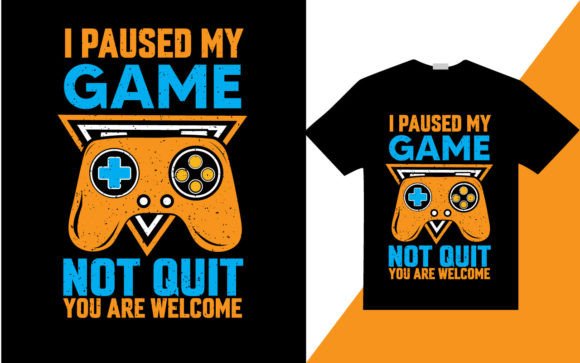
- Leverage mockups for client presentations: High-quality mockups included in the package allow you to show clients how the design will look on actual products without needing physical samples.
- Batch-edit for efficiency: If you're applying Game Zone to multiple products, use batch editing tools in design software to apply changes across files simultaneously.
For educators or content creators, Game Zone can be used in course materials, branded merchandise for audiences, or as part of a design curriculum. Its editability makes it a useful teaching tool for demonstrating vector editing, file formats, and design principles in a real-world context.
Ensuring Consistency and Quality
Consistency is key when using Game Zone across multiple applications. To maintain visual integrity, establish a style guide that defines how the design should be applied. This includes color variations, sizing standards, and placement guidelines for different products. Using the same base design with minor variations ensures brand recognition while allowing for customization.
Quality control is another important consideration. Always verify that the 300 DPI files are used for print and that SVG files are optimized for web use. Test prints on different fabric types or materials to ensure clarity and color accuracy. When using Game Zone for digital marketing, ensure that file sizes are optimized for fast loading without compromising quality.
Long-Term Use and Adaptability
Game Zone is designed for long-term use, making it suitable for both one-time projects and ongoing brand development. Its flexibility allows for seasonal updates, color variations, and integration with new product lines. This adaptability extends its lifespan beyond a single campaign or product launch, providing lasting value.
Businesses that regularly release new merchandise or digital content can benefit from maintaining a library of Game Zone variations. This includes seasonal themes, holiday editions, or limited-run designs that keep the brand fresh while leveraging a consistent visual foundation. For freelancers and designers, keeping a collection of Game Zone-based templates can speed up client projects and reduce design time.
Real-World Applications and Outcomes
Across industries, Game Zone has proven to be a valuable asset. A small business owner launching a branded clothing line can use it to create uniformity across t-shirts, hoodies, and accessories. An online course creator might integrate Game Zone into downloadable resources, branded mugs, and promotional banners. Digital marketers can apply it to landing pages, email templates, and social media assets to reinforce campaign themes.
These applications demonstrate how Game Zone fits into broader workflows—whether it's part of a product development cycle, marketing strategy, or educational initiative. Its ease of use, combined with high-quality output, ensures that it supports both short-term goals and long-term brand development without requiring constant redesign.