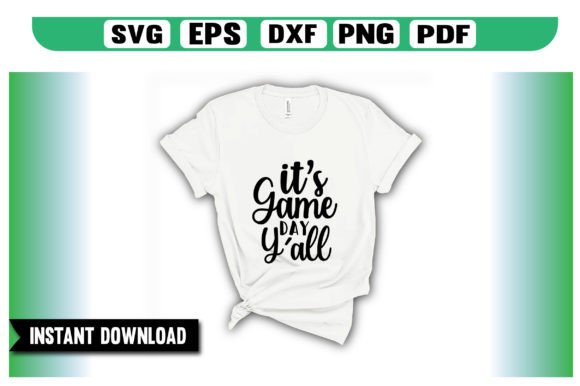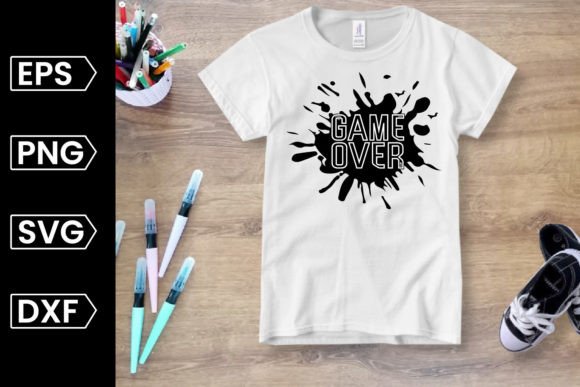
Game Over, Gaming SVG Design: What It Is and How to Use It Wisely
If you're looking for a bold, eye-catching design that speaks to gaming culture, the “Game Over, Gaming SVG Design” might be exactly what you need. This design is a vector-based graphic that can be used across a variety of platforms and products. Whether you're creating merchandise like T-shirts, mugs, hoodies, or digital assets for print or web, this SVG design offers flexibility and scalability without loss of quality.
What makes this design especially appealing is its adaptability. You receive multiple file formats — SVG, EPS, PNG, and DXF — allowing you to work with different software and production methods. However, while the design itself is powerful, how you use it can significantly affect your final result. Missteps in selection, application, or customization can lead to frustration, wasted time, or poor-quality output.
Common Mistakes When Using Game Over, Gaming SVG Design
Many users jump into using SVG files without fully understanding their properties or the best practices for implementation. Here are some of the most frequent issues people encounter and how to avoid them:
1. Assuming All SVG Files Are the Same
Not all SVG designs are created equal. While the “Game Over, Gaming SVG Design” comes in a clean, editable format, some SVG files found elsewhere may be poorly structured or overly complex. This can cause problems when editing or scaling.
Better approach: Always inspect the file structure before use. If you're not familiar with vector editing, test the file in your preferred software to ensure it's easy to modify and retains clarity at different sizes.
2. Ignoring File Compatibility
While SVG files are widely supported, not all design software handles them the same way. Some programs may not support certain effects or layers, leading to unexpected results.
Better approach: Check the compatibility of your software with SVG and EPS formats. If you're using a cutting machine like Cricut or Silhouette, confirm that the DXF file works with your machine's software for precise cuts.
3. Overlooking Color Customization Needs
The “Game Over, Gaming SVG Design” is described as easy to modify and color-changeable, but users sometimes forget to separate layers or paths properly, making color changes more difficult than they should be.
Better approach: Before applying colors, ensure that each element is grouped logically and labeled clearly. This makes editing faster and more accurate, especially when working with multiple colors or layers.
4. Using PNG Instead of Vector When Quality Matters
The included PNG file is high resolution (4500×5400), which is great for print or web use when vector support isn't available. However, using the PNG for large-format printing or resizing can lead to pixelation.
Better approach: Stick with SVG, EPS, or DXF files when scaling is required. Only use the PNG when you're certain about the final size and won't need to resize later.
What to Check Before Downloading or Using the Design
Before you commit to using the “Game Over, Gaming SVG Design,” there are a few key points to verify:
- License type: Make sure the design can be used for your intended purpose — whether personal, commercial, or resale. Some files come with restrictions that may affect your business use.
- Layer organization: A well-structured file with clearly labeled layers makes editing much easier. If possible, preview the file or request a sample before purchase.
- File completeness: Confirm that all included formats (SVG, EPS, PNG, DXF) are provided and functional. Missing or corrupted files can delay your project timeline.
- Vendor reputation: Purchase from a trusted source with positive reviews. This reduces the risk of receiving low-quality or misleading files.
Practical Tips for Getting the Most from Your SVG Design
Here are some actionable strategies to help you make the most of the “Game Over, Gaming SVG Design”:
- Test before production: Always do a small test print or digital preview before committing to a large run. This helps catch any hidden issues with colors, layers, or scaling.
- Optimize for your medium: If you're printing on fabric, adjust the design to suit the texture and color of the material. A black T-shirt will require a different color treatment than a light-colored one.
- Use design software you're comfortable with: Whether it's Adobe Illustrator, Inkscape, or a cutting machine interface, stick with tools you know well to avoid unnecessary learning curves.
- Back up your files: Keep copies of both the original and modified versions of the design. This ensures you can always revert to the source if needed.
Final Thoughts: Make Informed Choices
The “Game Over, Gaming SVG Design” is a versatile and valuable asset for anyone in the creative or entrepreneurial space. However, its effectiveness hinges on how well you understand and apply it. By avoiding common mistakes and taking the time to prepare properly, you can ensure your project runs smoothly and delivers high-quality results.
Remember, the goal isn’t just to use the design — it’s to use it well. Whether you're printing merchandise, creating digital content, or crafting with vinyl, thoughtful preparation and attention to detail will always set your work apart.