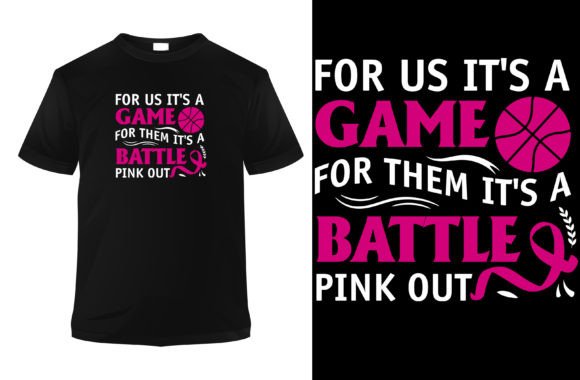
For Us It's a Game, for Them It's a Battle: Strategic Applications in Modern Creativity and Business
At first glance, the phrase "For Us It's a Game, for Them It's a Battle" may seem like a playful contradiction. But beneath its surface lies a powerful concept that resonates deeply in creative industries, entrepreneurship, and strategic planning. It reflects the dual perspective of those who engage in creative and business pursuits: the freedom to experiment and innovate, versus the high-stakes reality faced by others who must navigate the outcomes of those choices. Understanding this dynamic can help professionals and creators align their efforts more effectively, whether they're designing t-shirts, developing branding materials, or crafting long-term strategies.
Understanding the Concept: A Dual Perspective
The phrase captures the contrast between two mindsets: one that sees a project or process as an opportunity to explore, and another that experiences the same situation as a serious challenge. In creative work, especially in fields like graphic design, product development, or content creation, this duality can shape how ideas are developed and deployed.
For instance, a designer might approach a new t-shirt design as a fun experiment with typography and imagery. However, for the small business owner selling that shirt, it represents a strategic investment in brand visibility and customer engagement. Recognizing this difference allows creators to better align their output with the real-world goals of their clients or markets.
Strategic Value in Design and Communication
When applied thoughtfully, "For Us It's a Game, for Them It's a Battle" can become a lens for refining creative and business decisions. It encourages creators to ask: Who is the real audience? What are the stakes for them? How can my design or message support their goals rather than just mine?
- Branding: Design choices that resonate with a brand’s audience can shift from being playful to purposeful, depending on the context.
- Communication: Messaging that balances creativity with clarity ensures it serves both the creator’s vision and the recipient’s understanding.
- Customer Experience: Recognizing the emotional and practical stakes involved helps tailor experiences that feel relevant and valuable.
Practical Use Cases Across Industries
This concept isn't limited to any one field. Its applications span from digital marketing to physical product design, especially when working with print-on-demand or custom products like t-shirts, mugs, bags, and posters. Here are a few ways professionals can integrate this thinking into their workflows:
- Entrepreneurs: Use design to communicate brand values clearly, ensuring that what may feel like a creative experiment internally translates as a strong, purposeful message externally.
- Educators: When designing materials for students, balance engaging visuals with clear educational intent.
- Freelancers: Align your creative choices with client goals, ensuring that your work supports their business needs, not just your portfolio.
- Hobbyists: Approach personal projects with intention, asking how your designs might serve others beyond personal enjoyment.
How to Approach Design with Purpose
Whether you're creating vinyl decals, printable decorations, or invitation cards, the key is to understand the role your design plays beyond aesthetics. Here are some practical steps to ensure your work aligns with real-world outcomes:
- Define the Goal: What is the intended purpose of the design? Is it to sell, inform, inspire, or entertain?
- Know the Audience: Who will interact with this design, and what do they care about?
- Balance Creativity and Clarity: Don’t let artistic freedom overshadow the message or function of the design.
- Test and Iterate: Gather feedback from real users or customers to see if your design communicates what you intend.
Planning for Long-Term Impact
Short-term creativity can yield long-term results when approached with intention. Consider how your current design choices might influence brand perception, customer loyalty, or even future collaborations. This is especially important for small business owners and independent creators who rely on consistent, meaningful output to build trust and visibility.
For example, using the phrase "For Us It's a Game, for Them It's a Battle" on a t-shirt isn't just about making a statement—it's about starting a conversation. If your audience identifies with that sentiment, whether as entrepreneurs, artists, or everyday problem-solvers, the design becomes more than a product—it becomes a shared experience.
Avoiding Common Pitfalls
Without clear goals or context, even the most creative designs can fall flat. Here are some risks to be aware of when working with this concept:
- Misalignment with Audience: If your design feels too abstract or playful, it may not resonate with those who have real stakes in the outcome.
- Overcomplication: Trying to say too much in a single design can dilute its impact and clarity.
- Lack of Follow-Through: A clever design is only the start—ensure you have a strategy for how it fits into your broader marketing, branding, or communication plan.
Designing for Both Sides of the Equation
To make the most of "For Us It's a Game, for Them It's a Battle," creators must operate in both worlds. On one hand, they need the freedom to explore and innovate. On the other, they must remain grounded in the needs and expectations of their audience or clients.
This dual approach is especially valuable when working with tools like cut machines, iron-on transfers, or engraving—where the technical execution must match the conceptual intent. Whether you're creating stickers, mugs, or posters, the goal should always be to produce something that feels both meaningful and functional.
Final Thoughts: Intentional Creativity Drives Results
In the end, the phrase "For Us It's a Game, for Them It's a Battle" is more than a catchy design idea—it's a reminder that creativity should serve a purpose. When used intentionally, it can help professionals and hobbyists alike make better decisions, communicate more effectively, and build stronger connections with their audiences.
Whether you're printing t-shirts for a small business, designing invitations for a special event, or creating digital assets for marketing, remember that your work is part of a larger story. By understanding the stakes for both sides, you can turn what feels like a game into a meaningful battle worth fighting.