Designing Impactful Video Game Icon Illustrations
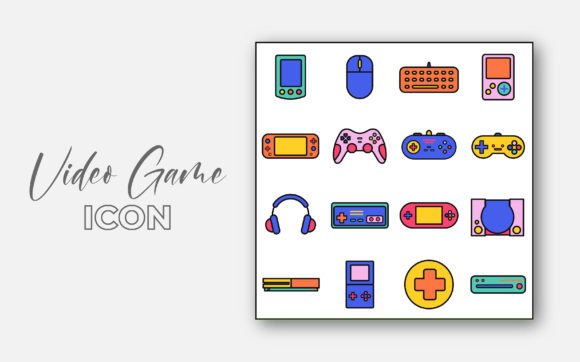
Video Game Icon Illustration is more than just a small image on a screen—it’s a critical piece of visual communication that can determine whether a user engages with your game or scrolls past it. In a world saturated with digital content, standing out requires thoughtful design, clarity, and brand alignment. Whether you're launching a mobile game or preparing a desktop title for distribution, the right icon illustration can make all the difference.
What Makes a Video Game Icon Illustration Effective?
A well-designed icon is instantly recognizable, visually appealing, and representative of the game’s theme or genre. It should work at multiple sizes, from a tiny app shortcut to a larger banner ad. The best video game icon illustrations balance simplicity with strong visual identity, ensuring they remain effective across platforms and screen resolutions.
Key characteristics of high-quality icon illustrations include:
- Clarity: Even at small sizes, the icon should communicate the game’s essence.
- Color contrast: Strong color choices help the icon stand out on crowded home screens.
- Brand consistency: The icon should align with the game’s overall visual style and marketing materials.
- Scalability: Vector-based formats like EPS ensure the icon remains sharp at any size.
Why Use EPS and JPG Versions?
When working with Video Game Icon Illustration, having both EPS (Encapsulated PostScript) and JPG versions offers flexibility. EPS files are ideal for editing and scaling without quality loss, making them perfect for designers who may need to tweak the artwork for different platforms. JPG versions, on the other hand, are widely compatible for web and app store use, ensuring fast loading times and broad support across devices.
Using both formats ensures you can maintain creative control while also meeting technical requirements for distribution. For example, you might use the EPS file to generate multiple sizes and variations, then export the final versions as JPG for upload to app stores or websites.
Practical Applications Across Industries
The value of a strong Video Game Icon Illustration isn't limited to the gaming industry alone. Designers, marketers, educators, and entrepreneurs can all benefit from understanding how to create and use compelling icon illustrations:
- For developers: A clear, recognizable icon improves visibility in app stores and helps build a cohesive brand identity.
- For marketers: Icons serve as visual anchors in promotional materials, helping users remember and identify your game quickly.
- In education: Educational games often use icons to represent different learning modules or subjects, making navigation more intuitive for students.
- For freelancers: Designers can offer custom icon illustration services to clients, adding value to branding and app development projects.
- In digital publishing: Game-related blogs or review sites can use standardized icons to categorize and highlight featured titles.
Benefits of a Thoughtfully Designed Icon
Investing time and creativity into your Video Game Icon Illustration can yield several tangible benefits:
- Improved user engagement: A visually striking icon can increase click-through rates and downloads.
- Stronger brand recognition: Consistent use of a unique icon reinforces your game’s identity across platforms.
- Better usability: Clear icons help users quickly identify and launch your game among dozens of others.
- Professional appearance: A polished icon signals quality and attention to detail, setting the tone for the user experience.
Real-World Examples and Use Cases
Consider the success of mobile games like Candy Crush Saga or Clash of Clans. Their icons are instantly recognizable, using bold colors and simple shapes that work across devices. These designs weren’t accidental—they were carefully crafted to stand out and resonate with target audiences.
Another example is the rise of indie games on platforms like Steam. Many independent developers rely on unique, hand-crafted icon illustrations to differentiate themselves in a crowded marketplace. A well-designed icon can be the deciding factor between a game that gets noticed and one that gets overlooked.
Choosing the Right Style for Your Game
When creating or selecting a Video Game Icon Illustration, consider the tone and genre of your game. A puzzle game might benefit from a minimalist, clean design, while an action RPG may require more dynamic visuals with dramatic lighting and character elements.
Also, think about how the icon will look in different contexts:
- On a dark or light background
- Next to other app icons
- At various screen resolutions
Testing your icon in real-world scenarios—like on actual devices or in mock app store listings—can help you identify any issues before launch.
Technical Considerations When Using Icon Illustrations
While visual appeal is essential, technical execution is just as important. Here are a few practical considerations to keep in mind:
- File formats: Always keep your EPS file for future edits and export optimized JPG versions for web and app store use.
- Resolution: Aim for at least 1024x1024 pixels for app store icons to ensure clarity across devices.
- Compression: Avoid over-compressing JPG files, as this can lead to visible artifacts and reduced quality.
- Platform guidelines: Each app store (Google Play, Apple App Store, Steam, etc.) has specific icon size and format requirements—make sure to follow them closely.
Final Tips for Creating Strong Icon Illustrations
If you're designing your own Video Game Icon Illustration or working with a designer, keep these best practices in mind:
- Start with a strong concept that reflects the game’s core theme.
- Use negative space effectively to avoid visual clutter.
- Limit the number of elements to ensure clarity at small sizes.
- Test your icon against different backgrounds and in various lighting conditions.
- Get feedback from real users before finalizing your design.
Remember, your icon is often the first impression users have of your game. Treat it as a crucial part of your marketing and design strategy—not an afterthought.