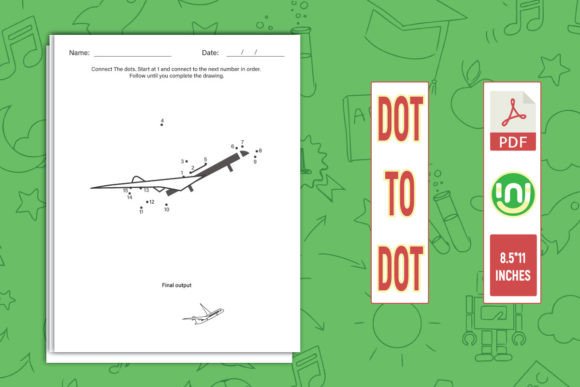
Aeroplane Dot to Dot Game: Combining Art and Learning for Kids
The Aeroplane Dot to Dot Game is a creative and educational activity designed to help children learn basic numbers while engaging in a fun drawing exercise. By connecting numbered dots in sequence, kids gradually reveal a picture of an aeroplane, making the learning process both interactive and rewarding. This type of worksheet is ideal for educators, parents, or caregivers looking to blend art with numeracy in a playful, low-pressure format.
How the Aeroplane Dot to Dot Game Works
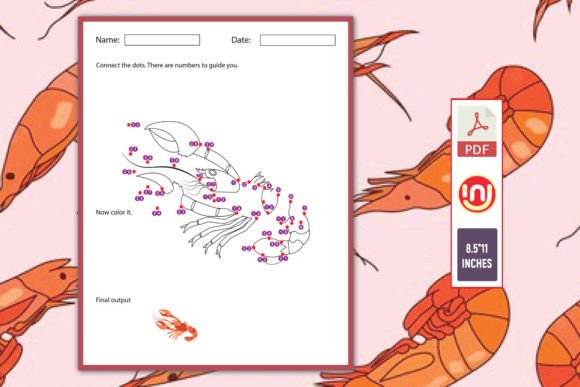
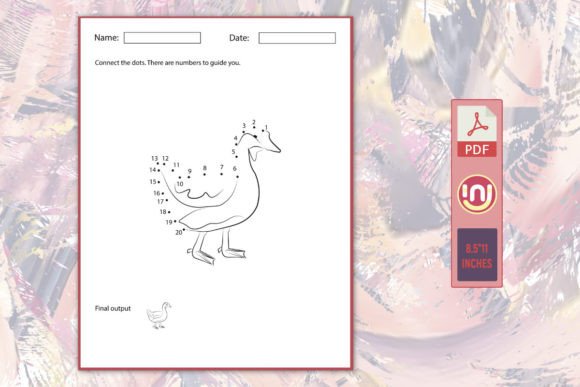
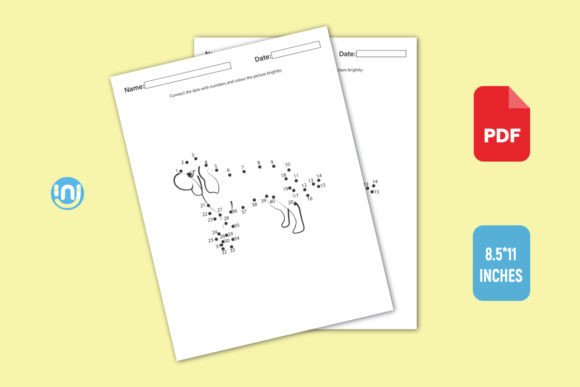
The concept behind the Aeroplane Dot to Dot Game is simple yet effective. Each worksheet features a series of numbered dots arranged in a specific pattern that, when connected in order, forms the outline of an aeroplane. As children follow the sequence from 1 to the final number, they not only practice number recognition and counting but also develop fine motor skills and hand-eye coordination.
These worksheets typically come in printable formats, often including editable PDF files alongside standard JPEG and PNG image versions. This flexibility allows users to customize the content—adjusting text, margins, or layout—to suit specific teaching needs or printing preferences. Designed for standard 8.5 x 11 inch paper, they are also compatible with print-on-demand platforms like Kindle Direct Publishing (KDP), making them accessible for both personal and commercial use.
Why Families and Educators Choose Dot to Dot Activities
Many parents and teachers turn to the Aeroplane Dot to Dot Game as a way to introduce foundational math concepts in a visually stimulating environment. For children who enjoy drawing or imaginative play, this activity bridges the gap between art and arithmetic, encouraging engagement without the pressure of traditional drills or tests.
- Encourages number sequencing – Children learn to recognize and follow numerical order.
- Boosts concentration – Completing a dot to dot requires sustained attention and patience.
- Supports fine motor development – Drawing lines between dots improves pencil control and dexterity.
- Offers a sense of accomplishment – Finishing the puzzle reveals a complete picture, giving kids a tangible reward.
When the Aeroplane Dot to Dot Game Makes Sense
This activity is particularly well-suited for early learners, typically in the preschool to early elementary age range. It works well in classroom settings as a supplemental math activity or at home as a quiet, screen-free pastime. Teachers may use it as part of a thematic unit on transportation or aviation, integrating it with other learning materials for a cohesive educational experience.
For parents of children who are visually oriented or artistically inclined, the Aeroplane Dot to Dot Game offers a way to reinforce number skills without relying solely on rote memorization. It can also be a helpful tool for homeschooling environments, where variety in learning methods is often key to maintaining student interest.
Considerations and Potential Limitations
While the Aeroplane Dot to Dot Game provides many benefits, it’s important to consider its scope and limitations. As a standalone activity, it focuses primarily on number sequencing and motor skills, so it should be used in conjunction with other math and literacy exercises for a well-rounded curriculum.
Additionally, children with limited fine motor control or attention difficulties may find the activity frustrating without support. Providing guidance or using larger printouts can help make the experience more inclusive.
Since the activity is worksheet-based, those seeking more interactive or technology-driven learning tools may want to explore alternatives such as digital dot to dot apps or augmented reality learning games. These options can offer real-time feedback and adaptive difficulty levels, which may be more engaging for tech-savvy learners.
Alternatives to Consider
If the Aeroplane Dot to Dot Game doesn’t fully align with your educational goals or your child’s interests, there are several alternative approaches worth exploring:
- Interactive math apps – These provide adaptive learning experiences with immediate feedback and gamified elements.
- Hands-on building kits – Construction sets or model-building activities can also teach spatial reasoning and sequencing in a tactile way.
- Story-based numeracy games – Activities that embed math problems in narrative contexts can enhance engagement and contextual learning.
- Customizable digital worksheets – If you prefer editable formats but want more dynamic visuals or interactivity, consider tools like Canva or Google Slides for creating personalized learning materials.
How to Decide If the Aeroplane Dot to Dot Game Is Right for You
Deciding whether the Aeroplane Dot to Dot Game is a good fit depends on your specific goals and the needs of the child or students you're working with. Ask yourself the following questions:
- Is the goal to reinforce basic number sequencing in a fun, visual way?
- Do the children enjoy drawing or completing puzzles?
- Are you looking for a printable, low-prep activity that can be customized?
- Do you prefer offline, screen-free learning tools?
If you answered “yes” to most of these questions, the Aeroplane Dot to Dot Game is likely a strong choice. However, if you're aiming for more advanced math concepts or prefer digital interactivity, exploring alternative tools may be more effective.
Final Thoughts
The Aeroplane Dot to Dot Game offers a unique blend of education and entertainment, making it a valuable resource for early childhood learning. Its ability to combine number practice with creative drawing helps keep children engaged while building essential skills. Whether used in the classroom, at home, or in a homeschool setting, this activity can serve as a versatile and effective learning aid.
Ultimately, the decision to use this game should be based on your child’s interests, your teaching style, and the learning outcomes you hope to achieve. When used as part of a broader educational strategy, the Aeroplane Dot to Dot Game can be a meaningful and enjoyable way to support early numeracy development.